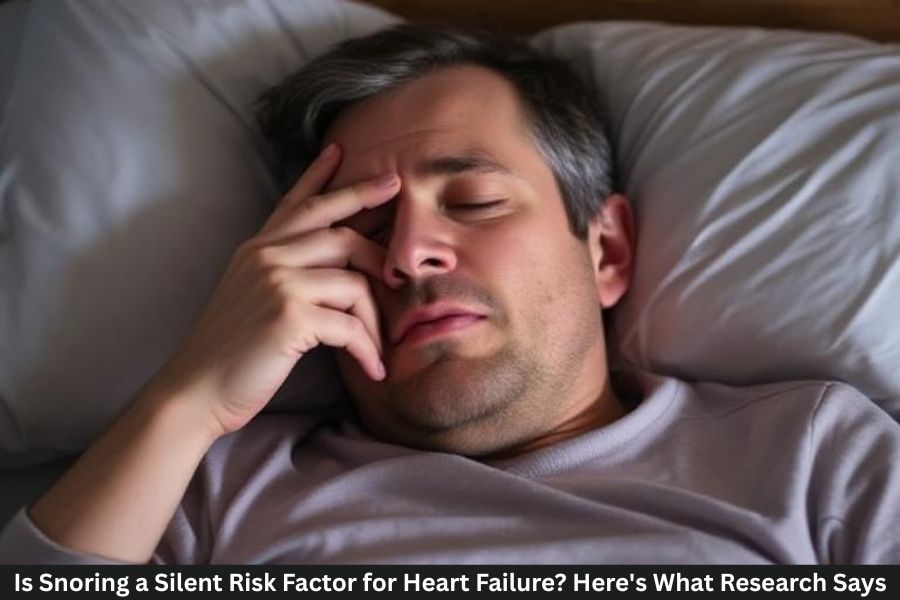
Have you ever been told that you snore loudly—or maybe you’ve caught yourself doing it? While snoring is often laughed off as an annoying nighttime habit, research shows it may signal something far more serious. Studies increasingly suggest that snoring could be a silent risk factor for heart failure and other cardiovascular conditions. Let’s dive into what the science says about this surprising connection and why paying attention to your snoring might save your heart.
Understanding Snoring and Its Causes
What Exactly Happens When You Snore?
Snoring occurs when airflow through your nose or mouth is partially blocked during sleep. As the tissues in your throat relax, they vibrate, creating that familiar rumbling sound. While occasional snoring might not be alarming, chronic, loud snoring can indicate underlying issues like obstructive sleep apnea (OSA).
Common Causes of Snoring
- Obesity or being overweight
- Nasal congestion or allergies
- Sleeping on your back
- Alcohol or sedative use before bed
- Enlarged tonsils or nasal obstruction
These factors narrow your airway, making breathing harder and forcing your body to work overtime while you sleep.
The Link Between Snoring and Sleep Apnea
What Is Obstructive Sleep Apnea (OSA)?
OSA is a serious sleep disorder where breathing repeatedly stops and starts throughout the night. Each pause can last from a few seconds to over a minute, often causing oxygen levels in the blood to drop.
How OSA Affects the Heart
Repeated oxygen deprivation and sudden wake-ups from OSA put immense strain on the heart. Over time, this can cause:
- High blood pressure
- Arrhythmias (irregular heartbeat)
- Thickening of heart walls
- Increased risk of heart failure and stroke
Snoring and Heart Health – What the Research Reveals
Studies Connecting Snoring to Cardiovascular Diseases
Several large-scale studies have found links between chronic snoring and cardiovascular issues:
- The Journal of the American College of Cardiology reported that individuals with heavy snoring and sleep apnea were more likely to develop left ventricular hypertrophy—a thickening of the heart muscle that can lead to heart failure.
- Another Harvard Health review showed that snorers had a 30% higher chance of hypertension, a major contributor to heart disease.
How Snoring Can Lead to Heart Failure Over Time
When snoring is frequent and loud, it disrupts sleep and oxygen flow. This repeated stress triggers inflammation, increases blood pressure, and eventually weakens the heart muscle—paving the way for chronic heart failure.
The Role of Intermittent Oxygen Deprivation
Snoring-related breathing interruptions cause intermittent hypoxia (low oxygen levels). This condition damages blood vessels and the heart by generating free radicals and oxidative stress, both of which accelerate cardiovascular aging.
Mechanisms Linking Snoring to Heart Failure
Blood Pressure Fluctuations During Sleep
Each pause in breathing causes a spike in blood pressure. Over time, these nightly surges can stiffen arteries and overwork the heart, leading to hypertensive heart disease.
Inflammation and Oxidative Stress
Snoring triggers an inflammatory response in the body. This chronic inflammation contributes to plaque buildup in arteries, raising the risk of atherosclerosis and cardiac events.
Changes in Heart Structure and Function
Prolonged oxygen deprivation can alter how the heart pumps blood, eventually resulting in heart enlargement, reduced pumping efficiency, and fluid retention—all symptoms of heart failure.
Recognizing the Early Warning Signs
Symptoms That Shouldn’t Be Ignored
- Loud, persistent snoring
- Gasping or choking during sleep
- Daytime fatigue
- Morning headaches
- Difficulty concentrating
When Snoring Becomes Dangerous
If your snoring is accompanied by these symptoms, it might be more than just a nighttime nuisance—it could be a warning sign of sleep apnea or cardiovascular distress.
Risk Factors That Increase the Connection
Obesity and Poor Lifestyle Habits
Excess body fat, especially around the neck, compresses airways and increases both snoring and heart disease risk. Sedentary lifestyles and poor diets make this worse.
Age, Gender, and Genetics
Men are more prone to snoring, though risk rises for women after menopause. A family history of sleep apnea or cardiovascular issues can also increase susceptibility.
Diagnosing the Problem
Sleep Studies and Sleep Apnea Tests
If snoring is severe, doctors often recommend a polysomnography test, which monitors breathing, oxygen levels, and heart activity during sleep.
Monitoring Oxygen Levels and Breathing Patterns
At-home sleep tests can also help detect oxygen fluctuations that might point to an underlying issue like OSA.
Preventing Heart Risks from Snoring
Lifestyle Modifications for Better Sleep and Heart Health
- Maintain a consistent sleep schedule
- Exercise regularly
- Sleep on your side instead of your back
Managing Weight and Diet
A balanced diet rich in fruits, vegetables, and lean proteins helps control weight and reduce airway blockages.
Avoiding Alcohol and Smoking Before Bedtime
Alcohol and nicotine relax the throat muscles, worsening snoring and oxygen deprivation.
Treatment Options for Snoring and Sleep Apnea
Continuous Positive Airway Pressure (CPAP) Therapy
The CPAP machine keeps airways open by delivering steady air pressure, improving oxygen flow and reducing strain on the heart.
Oral Appliances and Surgery
Dentists may recommend custom mouthpieces that reposition the jaw, while severe cases may require surgery to remove tissue obstructions.
Natural Remedies and Sleep Hygiene Improvements
Using nasal strips, humidifiers, or essential oils like eucalyptus can improve airflow. Establishing a bedtime routine also supports restful, uninterrupted sleep.
Long-Term Implications if Left Untreated
Ignoring chronic snoring can lead to more than just fatigue. Over time, untreated sleep apnea may result in:
- Heart enlargement
- Irregular heart rhythms
- Increased risk of heart attack and stroke
- Chronic heart failure
The Importance of Early Detection
Early detection can reverse or significantly reduce cardiovascular risks. Simple interventions—like weight loss, proper diagnosis, and CPAP therapy—can restore healthy sleep and protect your heart from long-term damage.
Expert Opinions and Recent Findings
Medical experts agree that snoring should never be ignored. According to a 2024 Nature study, chronic snoring was linked to an 87% increased likelihood of uncontrolled hypertension, even among non-apnea patients. This reinforces that snoring, even by itself, is a potential silent cardiovascular threat.
Final Thoughts – Is Snoring Really a Silent Threat?
Yes—snoring may seem harmless, but research paints a different picture. It’s often the first visible (or audible) sign that your heart and lungs are under strain. By addressing snoring early—through diagnosis, lifestyle changes, and treatment—you can significantly reduce your risk of heart failure and other cardiovascular diseases.
Conclusion
Snoring isn’t just an annoyance—it’s a wake-up call from your body. Chronic or loud snoring can signal poor oxygenation and strain on your cardiovascular system, eventually leading to heart complications if ignored. The good news? By taking proactive steps, seeking medical advice, and maintaining a heart-healthy lifestyle, you can sleep soundly and protect your heart at the same time.
FAQs
1. Can snoring alone cause heart failure?
Not directly, but chronic snoring is often associated with sleep apnea, which significantly increases the risk of heart failure over time.
2. How do I know if my snoring is dangerous?
If you experience gasping, pauses in breathing, or extreme daytime sleepiness, consult a sleep specialist.
3. Can losing weight stop snoring?
Yes, weight loss reduces pressure on the airway, improving airflow and reducing both snoring and heart strain.
4. What’s the best treatment for snoring-related heart risks?
CPAP therapy and lifestyle changes, such as exercise and avoiding alcohol before bed, are highly effective.
5. Should I be worried if my partner says I snore loudly?
Yes—especially if it’s frequent and accompanied by breathing interruptions. It’s best to schedule a sleep study to rule out sleep apnea.